Hey there! I’m a supplier of key locking inserts, and I often get asked about how these nifty little things perform in high – altitude environments. So, I thought I’d sit down and share with you what I’ve learned over the years. Key Locking Inserts
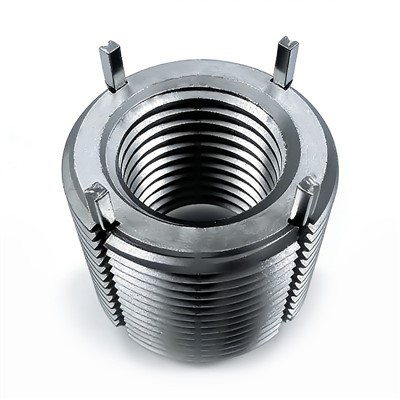
First off, let’s talk about what key locking inserts are. They’re small but super important components that are used to provide a secure thread in materials that might not be able to hold threads on their own. They’re commonly used in all sorts of industries, from automotive to aerospace, and that’s where the high – altitude question comes in.
When we talk about high – altitude environments, we’re looking at places where the air is thin, the temperatures can be extreme, and there’s often a fair amount of radiation. These conditions can have a big impact on how key locking inserts perform.
Let’s start with the thin air. At high altitudes, the air pressure is much lower than at sea level. This lower air pressure can affect the way the inserts function, especially when it comes to any lubricants or coatings that might be on them. Lubricants can evaporate more quickly in low – pressure environments. If a key locking insert has a lubricant on it to make installation easier or to reduce friction during use, that lubricant might not last as long at high altitudes. This could lead to increased wear and tear on the insert and the parts it’s connecting.
Another thing to consider is the temperature. High – altitude areas can experience some pretty wild temperature swings. During the day, the sun beats down, and temperatures can soar. But at night, the heat radiates away quickly, and it can get really cold. These temperature changes can cause materials to expand and contract. Key locking inserts are no exception. If an insert is made of a material with a different coefficient of thermal expansion than the material it’s installed in, it could lead to problems. For example, the insert might loosen or tighten up too much, which could affect the overall integrity of the connection.
Radiation is also a factor. At high altitudes, there’s less atmosphere to block out radiation from the sun and space. Radiation can cause damage to the materials of the key locking inserts over time. It can weaken the metal, making it more prone to cracking or corrosion. And if the insert starts to degrade, it’s not going to do its job as well.
But here’s the good news. We’ve been working hard to develop key locking inserts that can handle these high – altitude challenges. For the lubrication issue, we’ve been testing and using special lubricants that are more resistant to evaporation in low – pressure conditions. These lubricants are formulated to stay in place longer, even when the air is thin.
When it comes to thermal expansion, we’ve been using materials with similar coefficients of thermal expansion to the materials our inserts are typically installed in. This helps to ensure that the insert and the surrounding material expand and contract together, reducing the risk of loosening or over – tightening.
To deal with radiation, we’ve been applying special coatings to our key locking inserts. These coatings act as a shield, protecting the metal from the harmful effects of radiation. They can prevent corrosion and cracking, which helps to extend the lifespan of the insert.
We’ve also been doing a lot of testing in high – altitude environments. We’ve sent our inserts up in planes and to high – altitude research stations to see how they perform in real – world conditions. This hands – on testing has allowed us to fine – tune our products and make sure they meet the needs of our customers who are working in these challenging environments.
One of our customers, a company that builds high – altitude drones, was having issues with the key locking inserts they were using. The inserts were loosening up during flights due to the temperature changes and the low air pressure. They reached out to us, and we were able to provide them with a custom – designed solution. We used a special lubricant and a material with a better – matched coefficient of thermal expansion. The new inserts worked like a charm, and the drones were able to fly more reliably.
Another thing we’ve learned is the importance of proper installation. Even the best – designed key locking inserts can fail if they’re not installed correctly. In high – altitude environments, it’s even more crucial to follow the installation instructions carefully. The lower air pressure can affect the tools used for installation, so it’s important to make sure they’re calibrated correctly. And because of the temperature changes, it’s a good idea to install the inserts at a moderate temperature to avoid any issues with expansion or contraction right off the bat.
We’re constantly looking for ways to improve our key locking inserts for high – altitude use. We’re researching new materials, better coatings, and more effective lubricants. We also want to hear from you. If you’re using key locking inserts in a high – altitude environment and have any feedback or suggestions, we’d love to hear from you.
Whether you’re in the aerospace industry, building high – altitude telescopes, or working on any other project that requires key locking inserts in a high – altitude setting, we’ve got the products and the expertise to help you out. Our key locking inserts are designed and tested to perform in these tough conditions, and we’re confident that we can provide you with the solutions you need.

So, if you’re in the market for high – performance key locking inserts for your high – altitude projects, don’t hesitate to get in touch with us. We can discuss your specific requirements, and we’ll work with you to find the best solution for your needs. Whether it’s a standard product or a custom – designed insert, we’re here to help. Let’s talk about how we can make your high – altitude projects a success.
Self-Tapping Inserts References
- Industry reports on aerospace materials performance in high – altitude.
- In – house testing data on key locking inserts in high – altitude simulations.
- Technical papers on the effects of low air pressure on mechanical components.
Locking Inserts Technologies Co., Ltd.
As one of the most professional key locking inserts manufacturers and suppliers in China, we’re featured by quality products and good service. Please rest assured to wholesale bulk key locking inserts in stock here from our factory. Also, custom service is available.
Address: 205, 2/F, Bldg. A8, Zhizaogu Ind. Park, No.26 Xingye 5th Rd, Bao’an Dist., Shenzhen, Guangdong, P.R.China
E-mail: sales@lockinginserts.com
WebSite: https://www.lockinginserts.com/
