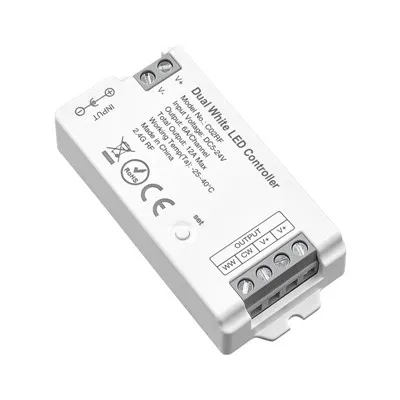
Connecting a cabinet LED driver to LED panels is a crucial process that requires a good understanding of both the driver and the panels. As a cabinet LED driver supplier, I’ve encountered numerous customers with questions about this connection. In this blog, I’ll provide a comprehensive guide on how to connect a cabinet LED driver to LED panels, offering insights and practical tips based on my years of experience in the industry. Cabinet LED Driver
Understanding the Basics: Cabinet LED Drivers and LED Panels
Before we dive into the connection process, it’s essential to understand what cabinet LED drivers and LED panels are. A cabinet LED driver is a power supply that regulates the electrical current and voltage supplied to the LED panels. It ensures that the LED panels receive the correct amount of power to operate efficiently and safely. On the other hand, LED panels are flat light sources made up of multiple LEDs. They are commonly used in cabinets for illumination purposes, providing a uniform and bright light output.
Tools and Materials Needed
To connect a cabinet LED driver to LED panels, you’ll need the following tools and materials:
- Screwdriver: A Phillips or flathead screwdriver, depending on the type of screws used in the driver and panels.
- Wire strippers: These are used to remove the insulation from the wires.
- Electrical tape: To insulate the connections and prevent short circuits.
- Cabinet LED driver: Make sure it’s compatible with your LED panels in terms of voltage, current, and power output.
- LED panels: Select panels that match the specifications of your driver.
- Wires: Choose wires with the appropriate gauge to handle the current.
Step-by-Step Connection Process
Step 1: Safety First
Before starting any electrical work, ensure that the power is turned off at the circuit breaker. This will prevent any electrical shock or damage to the equipment. Also, wear appropriate safety gear, such as gloves and safety glasses.
Step 2: Mount the LED Driver
Find a suitable location inside the cabinet to mount the LED driver. It should be in a well-ventilated area to prevent overheating. Use the screws provided with the driver to secure it to the cabinet. Make sure the mounting surface is flat and stable.
Step 3: Prepare the Wires
Locate the output wires of the LED driver and the input wires of the LED panels. Use the wire strippers to remove about half an inch of insulation from the ends of the wires. Be careful not to cut the wires themselves.
Step 4: Identify the Positive and Negative Wires
Most LED drivers and panels have markings to indicate the positive (+) and negative (-) terminals. The positive wire is usually red, while the negative wire is black. Check the documentation that came with your driver and panels to confirm these markings.
Step 5: Connect the Wires
Match the positive output wire of the LED driver to the positive input wire of the LED panel, and the negative output wire of the driver to the negative input wire of the panel. Twist the exposed ends of the wires together tightly. You can also use wire connectors for a more secure connection.
Step 6: Insulate the Connections
Once the wires are connected, wrap electrical tape around the connections to insulate them. Make sure the tape covers the exposed wires completely to prevent short circuits.
Step 7: Connect Multiple LED Panels
If you’re connecting multiple LED panels, you can either connect them in series or parallel, depending on the specifications of your driver and panels. In a series connection, the positive wire of one panel is connected to the negative wire of the next panel. In a parallel connection, all the positive wires are connected together, and all the negative wires are connected together. However, it’s important to note that the total power consumption of the panels should not exceed the rated power of the driver.
Step 8: Test the Connection
After all the connections are made and insulated, turn the power back on at the circuit breaker. Check if the LED panels light up. If they don’t, double-check the connections to make sure they are correct. You may also need to check the settings of the driver, such as the voltage and current output.
Common Issues and Troubleshooting
Even if you follow the connection process carefully, you may encounter some issues. Here are some common problems and their solutions:
No Power to the Panels
- Check the power supply: Make sure the driver is properly connected to the power source and that the circuit breaker is turned on.
- Verify the wiring: Check all the connections to ensure they are secure and the wires are not damaged.
- Test the driver: Use a multimeter to check if the driver is outputting the correct voltage and current.
Flickering Lights
- Incorrect voltage or current: Adjust the settings of the driver to ensure it’s providing the correct power to the panels.
- Loose connections: Tighten all the wire connections to prevent any intermittent contact.
- Overheating: Make sure the driver is properly ventilated and not overloaded.
Uneven Lighting
- Incorrect panel connection: Check if the panels are connected correctly, especially if you’re using multiple panels.
- Defective panels: Replace any panels that are not producing uniform light.
Tips for a Successful Connection
- Read the documentation: Before starting the connection process, carefully read the instructions that came with your driver and panels. This will help you understand the specific requirements and ensure a proper connection.
- Plan the wiring layout: Before making any connections, plan how you’ll route the wires to avoid any tangles or interference.
- Use quality components: Invest in high-quality LED drivers and panels to ensure reliable performance and longevity.
- Test the system: After the connection is complete, test the system thoroughly to ensure everything is working properly.
Conclusion
Cabinet Sensor Switch Connecting a cabinet LED driver to LED panels is a relatively straightforward process if you follow the right steps and take the necessary precautions. As a cabinet LED driver supplier, I’m committed to providing high-quality products and supporting my customers with their installation needs. If you have any questions about connecting our LED drivers to your panels or need further assistance, please don’t hesitate to contact us for a procurement discussion. We’ll be happy to help you find the best solutions for your lighting requirements.
References
- "LED Lighting Handbook" by Mark Rea
- "Electrical Wiring for Dummies" by Roy Cooke
Dongguan Lanbaoli Intelligent Technology Co., Ltd.
As one of the most professional cabinet led driver manufacturers and suppliers in China, we’re featured by quality products and low price. Welcome to buy advanced cabinet led driver for sale here from our factory. If you have any enquiry about quotation, please feel free to email us.
Address: 10th Floor, Building 32, Golden Town, No. 7 Technology Avenue, Houjie Town, Dongguan City, Guangdong Province
E-mail: anna@lampow.cn
WebSite: https://www.lblsensor.com/
