Hey folks! As a supplier of Basket Strainers, I’ve seen firsthand how crucial it is to pick the right basket material for a specific application. It ain’t just about getting something that looks good; it’s about making sure your basket strainer performs at its best and lasts a long time. So, let’s dive into how you can select the appropriate basket material for your needs. Basket Strainers
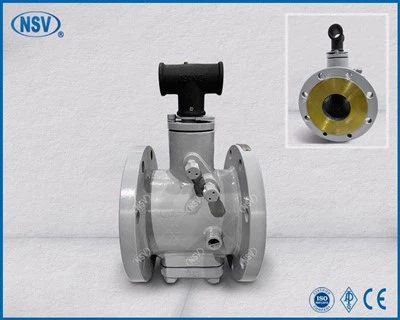
Understanding the Basics of Basket Strainers
First off, let’s quickly go over what basket strainers are. They’re devices used to remove solid particles from a liquid or gas flow. Picture them like a filter that traps the yucky stuff, keeping your system clean and running smoothly. The basket inside the strainer does the heavy – lifting in this process, so choosing the right material for it is super important.
Factors to Consider When Selecting Basket Material
1. Chemical Compatibility
This is a biggie. Different chemicals can react with different materials. For instance, if you’re dealing with a highly acidic liquid, a regular steel basket might corrode faster than you can say "oops". You’d want to use a material that’s resistant to acid, like stainless steel or a more exotic alloy such as Hastelloy.
Let me share a little story. One of my clients was using a regular carbon – steel basket in a system that handled a mild acid solution. At first, everything seemed okay, but after a few weeks, they noticed the basket was starting to rust. The rust particles were then getting into the flow, causing problems downstream. We switched them to a 316 stainless – steel basket, and the issue was solved. No more rust, and the strainer lasted much longer.
2. Temperature
The temperature of the fluid or gas you’re working with matters a lot. Some materials can handle high temperatures better than others. If you’ve got a high – temperature application, using a material with a low melting point or poor heat resistance is a recipe for disaster.
For example, in a power plant where steam at high temperatures is being strained, a basket made of a heat – resistant alloy like Inconel might be the way to go. Inconel can withstand extreme heat without losing its strength or shape, which is essential in a high – temperature environment.
3. Particle Size and Abrasion
Think about the size of the particles you’re trying to catch. If you’re dealing with very fine particles, you’ll need a basket with a fine mesh. But be aware that fine – mesh baskets can be more prone to clogging, especially if the particles are abrasive.
Abrasive particles can wear down the basket material over time. In applications where you’ve got a lot of abrasive particles, you might want to choose a harder material like tungsten carbide. This stuff is tough and can take a beating from abrasive substances without getting worn out too quickly.
4. Pressure
The pressure within your system also plays a role in material selection. Higher pressures can put more stress on the basket. If the pressure is too high for the material, the basket might deform or break.
For high – pressure applications, materials with high tensile strength, like alloy steel, are often a good choice. Alloy steel can withstand the pressure without cracking or warping, ensuring the basket strainer keeps doing its job properly.
Common Basket Materials and Their Applications
1. Stainless Steel
Stainless steel is one of the most popular materials for basket strainers, and for good reason. It’s corrosion – resistant, which means it can handle a wide range of liquids and gases without rusting. It also has decent strength and is relatively easy to clean.
Stainless steel basket strainers are commonly used in food and beverage industries. Since they won’t contaminate the product with rust or other harmful substances, they’re perfect for straining liquids like milk, juice, and beer. They’re also used in many chemical processing plants where mild to moderately corrosive chemicals are involved.
2. Carbon Steel
Carbon steel is strong and relatively inexpensive. It’s a good choice for applications where corrosion isn’t a major concern, and the fluid being strained is of a neutral pH.
In general industrial processes, like oil and gas pipelines where the fluid is mostly water – free and not highly corrosive, carbon – steel basket strainers are often used. But keep in mind that carbon steel will rust if it comes into contact with water or moisture for long periods, so proper coating or protection might be needed.
3. Copper – Based Alloys
Copper – based alloys, such as bronze and brass, have good resistance to corrosion in certain environments. They’re also good conductors of heat, which can be an advantage in some applications.
Bronze basket strainers are often used in seawater applications because they resist the corrosive effects of saltwater better than many other materials. They’re also used in some plumbing systems to strain water and prevent debris from clogging the pipes.
4. Special Alloys
There are also special alloys like Hastelloy and Inconel. These are used in very specific and demanding applications.
Hastelloy is highly resistant to corrosion by strong acids and other aggressive chemicals. It’s used in chemical plants where extremely corrosive substances are being processed. Inconel, as I mentioned earlier, is great for high – temperature applications. It’s used in aerospace, power generation, and other industries where high heat is a factor.
Making the Final Decision
Once you’ve considered all the factors, it’s time to make a decision. Here’s a step – by – step approach:
- Identify your needs: Write down everything you know about the application, including the type of fluid or gas, temperature, pressure, and particle size.
- Research materials: Look into the properties of different materials and see how they match up with your needs.
- Get samples: If possible, get samples of the materials you’re considering. This way, you can test them in your own system and see how they perform.
- Consult with experts: Since I’m in the business, I can tell you it’s always a good idea to talk to someone who knows about basket strainers. I’ve helped many clients make the right choice based on their specific applications.
Why Choose the Right Material?
Choosing the right basket material isn’t just about avoiding problems; it can also save you money in the long run. A well – chosen material will last longer, reducing the need for frequent replacements. It will also ensure that your system runs efficiently, saving on energy costs and minimizing downtime.

So, if you’re in the market for a basket strainer or just need to replace the basket in your existing system, don’t underestimate the importance of selecting the appropriate material. It can make a huge difference in the performance and longevity of your equipment.
Austenitic Alloy Valves If you’ve got questions about which basket material is right for your application, or if you’re interested in purchasing a high – quality basket strainer, don’t hesitate to reach out. We can have a chat, go over your needs, and help you find the perfect solution.
References
- "Material Science for Engineers" by David Askeland
- "Handbook of Corrosion Engineering" by Pierre Roberge
- Industry – specific manuals and guidelines from relevant trade organizations
NSV Valve Corporation
NSV Valve Corporation is one of the most professional basket strainers manufacturers and suppliers in China, featured by quality products and good service. Please rest assured to buy basket strainers made in China here from our factory.
Address: Puyi Road,Sanqiao Industrial Zone, Oubei Street, Yongjia County,Zhejiang,China
E-mail: info@nsvvalve.com
WebSite: https://www.nsvvalves.com/
