Hey there, fellow mattress owner! Let’s cut to the chase—you’ve got a mattress encasement that’s seen better days, and it’s time to toss it in the wash. But if you’re like a lot of folks I talk to, this little task can feel like trying to assemble IKEA furniture after a long day: confusing, with way too many little pieces that seem to go nowhere. As someone who’s spent years working with mattress encasements (yep, I’m part of the team that makes ‘em), I’ve seen every mistake under the sun—from yanking zippers too hard and breaking them to staining encasements because you forgot to pre-treat a spot. Today, I’m breaking down exactly how to remove your encasement for washing, step by step, with tips that actually work (no weird jargon, just real talk). Mattress Encasement
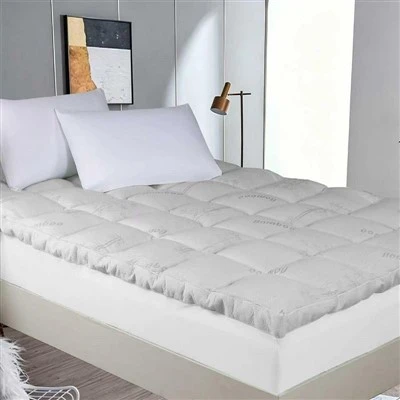
First off, let’s get one thing straight: mattress encasements aren’t your average fitted sheet. They’re thick, durable, built to keep bed bugs, dust mites, spills, and all that yucky stuff away from your mattress. That means they have some extra parts that regular sheets don’t, so rushing through removal is a fast track to frustration. I’ve seen new customers call our support line panicking because they messed up their first encasement removal—so trust me, taking it slow is non-negotiable. Let’s start with what you’ll need to grab before you even touch your bed: a clean, dry spot nearby (like the floor or a big table—you don’t want to drop your encasement on the carpet mid-removal), maybe a small flashlight if your bed is pushed against a wall, and whatever stain treatment you use (we’ll get to pre-treating later). That’s it—no fancy tools, just simple stuff.
Step 1: Strip off all your bedding first. I know, I know—you’ve got that comforter, those pillowcases, maybe a mattress topper? Take all of it off before you even glance at the encasement. Why? Because if you leave a comforter or topper on, it’ll get tangled in the encasement’s zipper when you try to open it. I’ve had customers show me photos where they tried to unzip with a fitted sheet stuck in the teeth—total zipper death. Don’t be that person. Once everything’s off, flip your mattress to its side. Wait, hold on—why the side? Most encasements cover the top and sides of your mattress, so flipping it to the side gives you easy access to the zipper that runs along the bottom edge. If your bed is a platform bed and you can’t flip it (no judgment, those are heavy!), just tilt the top edge of the mattress back a little so you can reach that bottom zipper. No need to muscle it—even a small tilt works.
Step 2: Unzip the encasement carefully. Here’s the big mistake everyone makes: yanking the zipper like it owes them money. Encasement zippers are heavy-duty, designed to last years, but they’re not indestructible. Start at the bottom corner of the zipper (the end farthest from your headboard) and work your way toward the top. If it gets stuck at any point, don’t pull harder—gently wiggle the zipper tab back and forth a little, and if that doesn’t work, check if a bit of fabric got caught in the teeth. Use your finger to pull the fabric out (a pen cap works too if it’s too tight—just don’t scratch the encasement). Pro tip from our team: if you’ve had your encasement for a while, spray a tiny bit of WD-40 on the zipper once a year to keep it moving smoothly. I know it sounds weird, but it works, and we get way fewer support calls about stuck zippers when customers do this.
Step 3: Peel the encasement off slowly, not all at once. Okay, so the zipper’s open—now what? Don’t just yank the whole encasement off in one go. Start at the bottom edge, pulling a little bit away from the mattress, then move to one side, then the other. Think of it like taking off a tight sweater—pull one side, then the other, so you don’t stretch the encasement or pull it over the mattress’s corners too fast. If you hit a corner that’s stuck, that’s totally normal. Most mattresses have little corner nooks, so just reach in and gently pull the encasement’s corner over the mattress’s corner. No need to yank—this part takes 10 extra seconds, but it saves you from having to replace an encasement because you stretched it out of shape. I’ve seen people rush this and end up with a lumpy encasement that doesn’t fit right when they put it back—total waste of money, so take it easy.
Step 4: Check for hidden dirt before you wash. Wait a second—did you think removing the encasement was the last step? Nope. While it’s off, take 30 seconds to inspect your mattress. Maybe there’s a spill you missed, or a dust buster of crumbs from that late-night snack. And check the inside of the encasement too—most of the dirt, sweat, and dust mites collect on the side that touches the mattress, so you might see little lint balls or even a spot you didn’t notice before. If you do spot a stain, pre-treat it now—don’t wait till you toss it in the wash. We recommend a mild, enzyme-based stain remover (avoid bleach, that can break down the encasement’s fabric over time) and let it sit for 10-15 minutes. That way, when you wash it, the stain will come out way easier.
Now, a quick FAQ because I get these questions every single day, and they matter when you’re removing your encasement. First: “Can I remove the encasement while it’s still on the bed without flipping the mattress?” Technically, if you have a platform bed with under-bed storage, you might be able to reach the zipper, but I don’t recommend it. You’ll end up stretching the encasement, and you’re way more likely to get fabric stuck in the zipper. It’s just easier to flip or tilt the mattress—trust me. Second: “What if the zipper is already broken when I go to remove the encasement?” Oh, we hear this a lot. If the zipper’s stuck and you can’t get it moving, don’t force it. Take a pair of small scissors (be super careful not to cut the encasement fabric) and snip the zipper at the bottom. That’ll let you peel the encasement off the mattress, and then you can replace the zipper later or reach out to our team for help—we’re here for that. Third: “Do I need to wash my encasement every time I strip my sheets?” Not exactly, but we recommend every 3-6 months, depending on your lifestyle. If you have pets, kids, or allergies, aim for every 3 months. If it’s just you and no spills, every 6 months is fine. But removing it is the same process no matter how often you wash it—so once you get the hang of it, it’s quick.
Wait, let’s talk about a few common mistakes people make when removing their encasement that can actually ruin it. First: Using too much force on the zipper. I mentioned this earlier, but it’s worth repeating. A lot of encasements have double zippers, right? You might see a top and bottom tab. Don’t use both at once—pick one and stick with it. Using two tabs at once can put too much pressure on the zipper teeth, and they’ll break. Second: Removing the encasement when it’s too wet. No, I’m not talking about washing it—wait, never remove a wet encasement? Actually, if you spill something on your mattress and the encasement gets damp, let it dry all the way before you try to take it off. Pulling a damp encasement can stretch the fabric, and it might not fit right when you put it back on. Third: Not clearing the area around the bed before you start. If you have a pile of clothes by the bed, a nightstand cluttered with books, or a pet running around, you’re going to drop something or get the encasement dirty before you even wash it. Take 2 minutes to clear a spot, and your removal will go way smoother.
Now, once you’ve removed the encasement and pre-treated any stains, the next part is the actual washing, but wait—you asked about removing it, so let’s stay on topic, but I’ll drop a quick pro tip for after you wash it because it ties into the whole process. When you put the encasement back on, it should fit snugly, right? If you rushed removal or stretched it, it won’t. That’s why taking it slow is key.
Here’s the thing: as a mattress encasement supplier, we care more about your encasement lasting than anything. A lot of people think encasements are disposable, but they’re not—if you take care of removing them properly, they can last 5-10 years, which is way better than spending money on a new one every year. I’ve had customers tell me their first encasement from us is going strong after 8 years, just because they took their time removing it each time.
If you’re new to using a mattress encasement, or you’ve had a bad experience removing yours before, don’t hesitate to reach out. Our team knows the ins and outs of every encasement we make, and we can walk you through any step, even if you’ve got a custom size or a different type of zipper. We’re not just a supply company—we’re here to help you keep your mattress protected for as long as possible.
Wait, one last quick tip I learned from a customer last month: if you struggle with grip, put on a pair of nitrile gloves when you’re unzipping and peeling the encasement off. The smooth surface of the zipper is easier to hold onto with gloves, and you won’t get any dirt or lotion on the encasement while you’re removing it. Small hack, but it makes a huge difference if your hands are slippery.
At the end of the day, removing a mattress encasement for washing doesn’t have to be a nightmare. It’s just about taking it slow, not forcing anything, and being gentle with the parts that make it work (looking at you, zipper). Whether you’re prepping for a wash day, dealing with a spill, or just doing your regular maintenance, these steps will get the job done without any hassle.
If you’re looking to stock up on high-quality mattress encasements for your home, your rental property, or your business, we’re here to help. We work with all kinds of customers, from individual homeowners to hospitality brands, and we’d love to chat about your needs. No hidden fees, no confusing processes—just straightforward, durable encasements and support when you need it. Shoot us a message to connect, and we can talk through pricing, sizes, and anything else you need.
Pillow References:
- International Sleep Products Association. (2022). Mattress Protection and Maintenance Guidelines. Sleep Research Council.
- Textile Institute. (2021. Care and Durability of Protective Bedding Products). The Textile Magazine.
- Environmental Protection Agency. (2020. Indoor Allergen Control for Homes). EPA Healthy Homes Program.
Hangzhou Ruiyi Home Products Co., Ltd.
With abundant experience, we are one of the most professional mattress encasement manufacturers and suppliers in China. We warmly welcome you to wholesale customized mattress encasement at competitive price from our factory. If you have any enquiry about cooperation, please feel free to email us.
Address: BUILDING 1, NO.1757 CHENHUI ROAD, XINTANG STREET ,XIAOSHAN,HANGZHOU, ZHEJIANG,P.R. CHINA
E-mail: vivian-xu@vip.163.com
WebSite: https://www.ryhometextile.com/
