As a supplier deeply involved in the triathlon equipment industry, I’ve witnessed firsthand the transformative impact of triathlon handlebars on athletes’ performance. Triathlon, a demanding multi – sport event encompassing swimming, cycling, and running, requires athletes to be highly efficient and well – equipped. Among the many components of a triathlon bike, the handlebar plays a crucial role. In this blog, I’ll explore the numerous benefits of using a triathlon handlebar. Triathlon Handlebar
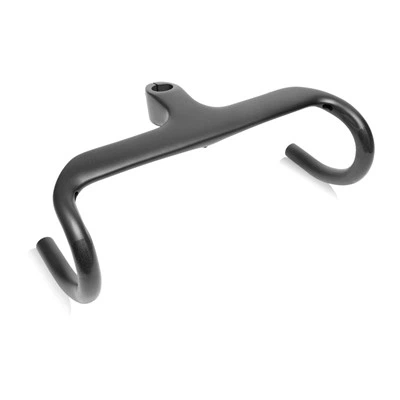
Aerodynamics: The Key to Speed
One of the most significant advantages of a triathlon handlebar is its ability to enhance aerodynamics. In cycling, aerodynamic drag accounts for a substantial portion of the resistance an athlete faces, especially at higher speeds. Triathlon handlebars are designed to allow riders to adopt a more streamlined position.
When using a traditional bike handlebar, riders often sit in an upright position, exposing a large surface area to the oncoming wind. This creates a significant amount of drag, which requires more energy to overcome. Triathlon handlebars, on the other hand, feature extensions that allow riders to stretch their arms forward and lower their upper bodies. By reducing the frontal area presented to the wind, the drag force is significantly decreased.
Research has shown that even a small reduction in aerodynamic drag can lead to a noticeable improvement in speed. For example, a well – designed triathlon handlebar can reduce drag by up to 10 – 15% compared to a standard handlebar. This may not seem like much, but in a long – distance triathlon, where every second counts, it can make a substantial difference in the overall race time.
Comfort and Endurance
Comfort is another critical factor in triathlon, as athletes spend a significant amount of time on their bikes. Triathlon handlebars offer multiple hand positions, which helps to alleviate pressure points and reduce fatigue.
The extensions on triathlon handlebars provide a forward – reaching hand position that takes the weight off the wrists, shoulders, and neck. This is particularly beneficial during long rides, as it allows the rider to change their hand position and relieve stress on these areas. Additionally, the padded areas on the handlebars are designed to conform to the shape of the hands, providing a more comfortable grip.
Moreover, the ability to switch between different hand positions helps to engage different muscle groups. When riding on the extensions, the rider uses more of the back and shoulder muscles, while the traditional hand position on the handlebar grips engages the forearm and bicep muscles. By alternating between these positions, the rider can prevent muscle fatigue and maintain a more consistent level of performance throughout the race.
Efficiency and Power Transfer
Triathlon handlebars also contribute to improved efficiency and power transfer. The aerodynamic position achieved with a triathlon handlebar allows riders to generate more power with less effort. When the body is in a streamlined position, the rider can transfer the energy from their legs to the pedals more effectively.
In a more upright position, the rider’s body has to work harder to maintain balance and stability, which can result in some of the energy being wasted. With a triathlon handlebar, the rider’s center of gravity is lower and more forward, which improves the bike’s handling and allows for a more efficient transfer of power.
Furthermore, the extensions on the handlebars provide a stable platform for the rider’s hands. This stability allows the rider to apply more force to the pedals without losing control of the bike. As a result, riders can maintain a higher cadence and generate more power with each pedal stroke.
Nutrition and Hydration Accessibility
During a triathlon, proper nutrition and hydration are essential for maintaining performance. Triathlon handlebars are designed to make it easier for athletes to access their food and drinks while on the bike.
Most triathlon handlebars have integrated mounts for water bottles and nutrition holders. These mounts are strategically placed within easy reach of the rider’s hands, allowing them to grab a drink or a snack without having to take their hands off the handlebars or change their position significantly. This is crucial in a race situation, as any distraction or disruption can lead to a loss of momentum.
By having quick and easy access to nutrition and hydration, athletes can maintain their energy levels and avoid dehydration, which can have a significant impact on their performance. This convenience also helps athletes to stay focused on the race and make the most of their time on the bike.
Customization and Adaptability
Triathlon handlebars offer a high degree of customization, allowing athletes to tailor the handlebar to their specific needs and body geometry. Different riders have different preferences when it comes to hand position, reach, and width. Triathlon handlebars can be adjusted to accommodate these differences.
The extensions on the handlebars can be adjusted in terms of length, angle, and width. This allows riders to find the most comfortable and aerodynamic position for their body. Additionally, some triathlon handlebars come with adjustable padding, which can be customized to provide the right amount of support for the hands.
Furthermore, as an athlete’s training and racing goals change, the handlebar can be easily adapted. For example, if an athlete is focusing on improving their time in short – distance triathlons, they may want to adjust the handlebar to a more aggressive, aerodynamic position. On the other hand, if they are training for a long – distance event, they may prefer a more comfortable and relaxed position.
Competitive Edge
In the highly competitive world of triathlon, every advantage counts. Using a triathlon handlebar can give athletes a competitive edge over their opponents.
The aerodynamic benefits of a triathlon handlebar can allow riders to go faster with the same amount of effort. This means that they can cover more distance in less time or maintain a higher speed with less energy expenditure. In a race situation, this can translate into a significant advantage, especially in the cycling leg of the triathlon.
The comfort and endurance benefits also play a crucial role in giving athletes a competitive edge. By reducing fatigue and allowing riders to maintain a consistent level of performance throughout the race, triathlon handlebars can help athletes to finish stronger. This is particularly important in the transition from the bike to the run, where fresh legs can make a big difference in the final outcome of the race.

In conclusion, the benefits of using a triathlon handlebar are numerous and significant. From improved aerodynamics and comfort to enhanced efficiency and competitive edge, triathlon handlebars are an essential piece of equipment for any serious triathlete. If you’re a triathlete looking to take your performance to the next level, or a retailer interested in stocking high – quality triathlon equipment, I encourage you to reach out for a procurement discussion. We are committed to providing top – notch triathlon handlebars that meet the diverse needs of athletes and retailers alike.
Bike Road Integrated Handlebar References
- "Bicycle Aerodynamics: The Science of Saving Seconds" by Jim Martin
- "Triathlon Training Bible" by Joe Friel
Hunan Yecheng Technology Co., Ltd.
We’re well-known as one of the leading triathlon handlebar manufacturers and suppliers in China, also support customized service. Please feel free to buy high quality triathlon handlebar for sale here from our factory. For more information, contact us now.
Address: Changsha, Hunan Province, China.
E-mail: info@rxlsl.com
WebSite: https://www.rxlsl.com/
