How to Check the Winding Resistance of an HVLS Fan Motor
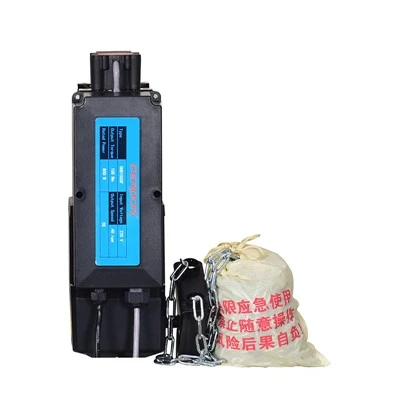
As a proud supplier of High-Volume, Low-Speed (HVLS) fan motors, I’ve witnessed firsthand the importance of maintaining these motors in top-notch condition. One crucial aspect of HVLS fan motor maintenance is checking the winding resistance. This process isn’t just a routine check; it’s a window into the motor’s health, helping us detect potential issues before they escalate into costly breakdowns. HVLS Fan Motor
Understanding Winding Resistance in HVLS Fan Motors
Before delving into the checking process, it’s essential to understand what winding resistance is and why it matters. The windings in an HVLS fan motor are essentially coils of wire through which electrical current flows. Resistance, as defined by Ohm’s Law, is the opposition to the flow of this electrical current. A change in the winding resistance can indicate various problems such as short circuits, open circuits, or insulation degradation.
In HVLS fan motors, accurate winding resistance is crucial for efficient operation. If the resistance is too high, the motor may draw excessive current, leading to overheating and premature failure. Conversely, a lower-than-normal resistance could suggest a short circuit, which can also cause overheating and potentially damage the motor and other components in the system.
Tools Required for Checking Winding Resistance
To check the winding resistance of an HVLS fan motor, you’ll need a few specialized tools. The most important tool is a digital multimeter. A good-quality multimeter is capable of measuring resistance accurately, which is crucial for detecting even minor changes in the winding resistance.
In addition to a multimeter, you’ll also need a set of insulated hand tools, such as screwdrivers and pliers, to safely remove and replace the motor covers and access the windings. It’s important to ensure that these tools are in good condition and properly insulated to prevent electrical shocks.
Finally, it’s a good idea to have a notebook and pen on hand to record your measurements. This will allow you to track any changes in the winding resistance over time and compare them to the manufacturer’s specifications.
Preparing the HVLS Fan Motor for Testing
Before you start taking any measurements, it’s essential to prepare the HVLS fan motor properly. First, ensure that the motor is completely disconnected from the power supply. This is a critical safety step to prevent electrical accidents. You should also wait for the motor to cool down if it has been running recently, as the temperature can affect the resistance readings.
Next, remove the motor cover to access the terminals of the motor windings. Make sure to handle the cover carefully to avoid damaging it, and set it aside in a safe place. Take note of the location of any components or wires that are removed, as you’ll need to reassemble the motor correctly later.
Taking Winding Resistance Measurements
Once the motor is prepared, you can start taking winding resistance measurements. Set your digital multimeter to the resistance (ohms) mode. Make sure to select the appropriate range on the multimeter based on the expected resistance of the motor windings. If you’re unsure of the correct range, start with the highest range and gradually decrease it until you get a reading.
Connect the multimeter probes to the terminals of the motor windings. The exact terminals you need to connect to will depend on the type of motor and its winding configuration. In a three-phase HVLS fan motor, for example, you’ll need to measure the resistance between each pair of phases.
Take the resistance measurement and record it in your notebook. Repeat this process for all the necessary windings and phase combinations. Make sure to take multiple readings for each measurement to ensure accuracy and consistency.
Interpreting the Winding Resistance Measurements
After you’ve taken all the necessary measurements, it’s time to interpret the results. Compare your measurements to the manufacturer’s specifications for the motor. These specifications can usually be found in the motor’s datasheet or technical manual.
If the measured resistance values are within the specified range, it indicates that the motor windings are in good condition. However, if the resistance values are significantly higher or lower than the specified range, it could indicate a problem with the motor.
A higher-than-normal resistance could be due to a broken or loose connection in the winding, damaged insulation, or corrosion. On the other hand, a lower-than-normal resistance could suggest a short circuit between the windings or a grounding issue.
Troubleshooting Based on Winding Resistance Results
If you find that the winding resistance measurements are outside the specified range, it’s important to troubleshoot the problem further. Start by checking the connections between the motor windings and the terminals. Make sure that all the connections are tight and free of corrosion.
If the connections are okay, you may need to inspect the windings themselves for any signs of damage. This can be a more complex process and may require specialized equipment, such as an insulation resistance tester or a megohmmeter.
In some cases, if the problem is severe enough, you may need to replace the motor or the affected windings. However, before making any decisions, it’s always a good idea to consult with a professional technician or an engineer who has experience with HVLS fan motors.
Importance of Regular Winding Resistance Checks
Regularly checking the winding resistance of an HVLS fan motor is an essential part of preventative maintenance. By detecting potential problems early, you can avoid costly breakdowns and downtime. It can also help extend the lifespan of the motor, reduce energy consumption, and improve the overall efficiency of the HVLS fan system.
I recommend scheduling winding resistance checks at least once a year, or more frequently if the motor is operating in harsh conditions or if it has a history of problems. By keeping a record of the resistance measurements over time, you can also identify any trends or patterns that may indicate a developing issue.
Conclusion
Checking the winding resistance of an HVLS fan motor is a fundamental step in ensuring the reliable and efficient operation of these powerful motors. As a supplier of HVLS fan motors, I understand the importance of proper maintenance and testing to keep your motors running smoothly.
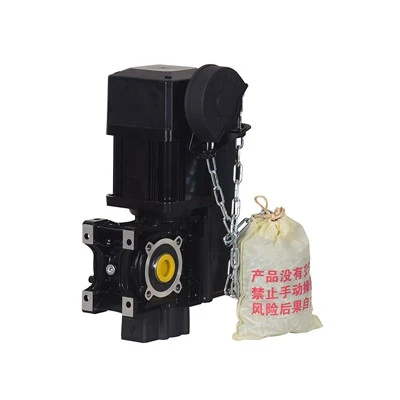
By following the steps outlined in this blog post, you can effectively check the winding resistance of your HVLS fan motor and take proactive measures to address any issues that may arise. Remember, early detection is key to preventing costly breakdowns and ensuring the long-term performance of your HVLS fan system.
Stretch Wrapper Control System If you’re in the market for high-quality HVLS fan motors or need assistance with motor maintenance and testing, I invite you to reach out to us. Our team of experts is here to provide you with the support and guidance you need to make the best decisions for your application. Contact us to start a discussion about your specific requirements and how we can help you achieve your goals.
References
- Electrical Motor Handbook: A comprehensive guide to the theory, operation, and maintenance of electrical motors.
- HVLS Fan Manufacturer’s Technical Documentation: Specific information about the design, operation, and maintenance of HVLS fan motors provided by the manufacturers.
- IEEE Standards on Electrical Motor Testing: Industry standards and guidelines for testing and evaluating the performance of electrical motors.
Wuxi Rstar Electric Co., Ltd.
With abundant experience, we are one of the most professional hvls fan motor manufacturers and suppliers in China. Welcome to wholesale bulk customized hvls fan motor at competitive price from our factory. If you have any enquiry about quotation, please feel free to email us.
Address: 9th Floor, Building 9, Shengfeng Lianzhi Valley, No.67 Zhujiang Road, Xinwu District, Wuxi City
E-mail: rstarbz@163.com
WebSite: https://www.rstar-wx.com/
